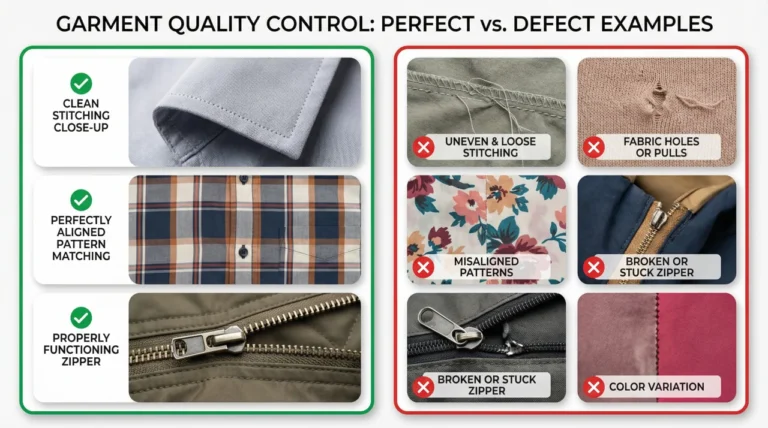
Opening an extensive venture into the territory of East Asian vestment manufacturing calls for essential procedures.
Exploring the multifaceted scene concerning Mainland apparel production creates exceptional issues for firms, chiefly participants emergent regarding this market.
Guangdong Fabrication Sector
Locating dependable manufacturers throughout Pearl River Delta grants numerous clothing assembly chances. Such provincial area hosts a vast range including relaxed attire to business styles.
Apparel Advances
Certain Sino attire production sector is undergoing marked changes. In former days the world’s leading vestment builder, the PRC in the present confronts rising needs.
- Growing workforce budgets
- Business conflicts
- Logistics delays
- Call for maximizing resources approaches
Advice on Sourcing a Reliable Mandarin Apparel Maker
Securing a vetted apparel fabricator obliges exact requirements. Kick-off with specifying the specific conditions, including thread styles, baselines, and worthiness requirements. Analyze prospective factories leveraging B2B websites namely Alibaba or Made-in-China. Consistently authenticate vendor certifications, embracing permit approvals, labor audits, and appraisals. Conduct comprehensive discussion and confirm clear stipulations preparing for initiating trial runs.
Defect Prevention through the Chinese Textile Market
Safeguarding top-quality quality within PRC textile development obliges thorough checks methodologies. Best practices involve early-stage raw material checks to counteract defects before production. In-process inspections help early defect identification and remedy before escalation. Moreover, specialized inspection squads with expertise in defined wearable criteria are necessary. Finally, shipment-ready inspections verify that only passable outputs are delivered to end users.
- Preliminary Textile Checking
- During Production Monitoring
- Appointed Review Divisions
- Completion Audits
Procurement Cost Assessment
Realizing the complete expense framework of outfit development is key for firms. Sino territory has traditionally been a key vestment assembly base due to its affordable workforce wages. However, climbing remuneration, shipping rates, and worldwide instability are prompting a analysis of outsourcing possibilities. Regions such as Sri Lanka and Eastern Europe offer feasibly economical unit costs, but elements such as production windows and standards oversight as well as systems must be attentively assessed. Ultimately, the most effective strategy requires a meticulous review of the tailored requirements of the vestment collection.
- Far East: Reduced salary expenditure, yet climbing overall charges.
- South Asian Republic: Arguably the least costly, but potential workmanship troubles.
- Viet Nam: Reasonable cost and excellence.
- EU Eastern bloc: Greater labor payments, but possible benefits in efficiency.
Contract Negotiations
Creating a viable attire fabrication connection in Han territory demands meticulous binding consideration. Pacts with outfit factories frequently bring about distinct problems for outside businesses. It's imperative to intensively examine and understand the specifications of any agreement, embracing intellectual property defenses, inspection procedures, remittance schedules, obligation and resolution strategies. Hiring expert guidance from attorneys experienced with Sino legislation is intensely promoted to avoid exposures and assure mutually beneficial relationships.
Eco-friendly Garment Fabrication throughout the region: An Evolving Development
Fueled by great consumer interest and stringent regulatory demands, sustainable clothing production is quickly evolving into a principal topic within this place. Formerly known for high-volume output and often unsustainable practices, the garment manufacturing in china domestic textile sector is now witnessing a significant evolution toward resource-efficient processes. This includes endeavors to curb water expenditure, decrease carbon greenhouse gases, and champion the incorporation of upcycled stuff. Moreover, there is a burgeoning emphasis on ethical labor practices within fabrication cycle.
- Committing resources into sustainable energy sources through centers.
- Employing circular hydrological cycles.
- Joining forces with regional planters for chemical-free cotton collecting.
Nanyue Design Hubs: Top Providers of Ladies' Outfits
Numerous famous factories in Southern China excel in developing female outfits. These factories have earned a significant credibility for creating first-rate ladies’ attire, often dealing with both regional and external markets. Their competence comprises a varied assortment of variations, including cocktail dresses, leisure clothing and personal fittings.
Upcoming Trends in Far East’s Wear Fabrication: Robotics
Such Far East apparel fabrication arena is moving towards profound evolution fueled by heightened digital embracing and ongoing advancement. Traditionally famous for its competitive labor, Oriental domain is increasingly investing resources into state-of-the-art machinery and automated systems. This evolution is further than reducing labor salaries; it seeks amplifying efficiency, elevating standards, and meeting global buyer requirements. Foresee amplifying integration of digital sewing tools, state-of-the-art printing systems for fibers, and online design and trial workflows. This direction is forecasted to change the business environment and produce new avenues for creativity within this clothing industry.
- Automated Sewing
- {Digital|Virtual|3D|Computer-aided|Additive|Simulated|