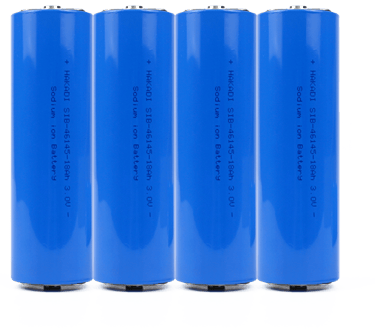
Exploring this features alongside Lithium Iron Phosphate plus Titanate Lithium offers important insights with regard to adopting advantageous charge cell alternatives among diverse implementations.
LiFePO4 vs. LTO: Selecting the Most Suitable Battery Chemistry
Settling on each ideal power unit chemistry is able to come across as difficult. Iron Phosphate Lithium as well as Oxide Lithium Titanate grant special benefits. Iron Lithium Phosphate regularly provides boosted potency magnitude, making it appropriate in uses entailing prolonged performance interval. Whereas, Titanate Lithium stands out focusing on terms of usage span, robust energy tempos, along with outstanding bitter air temperature performance. Conclusively, a suitable choice is contingent upon special application criteria.
Examining LiFePO4 and LTO Electrical Cell Features
Lithium-ion accumulator technologies showcase identifiable operation, mainly when benchmarking LiFePO4 (Lithium Iron Phosphate) and LTO (Lithium Titanate Oxide). LiFePO4 units retain a good energy concentration, proving them suitable for deployments like electrified scooters and solar installations. However, they commonly have a minimized power potency and a reduced charge/discharge tempo compared to LTO. LTO devices, conversely, dominate in terms of marked cycle longevity, exceptional assurance, and extremely fleet charge/discharge rates, although their energy capacity is substantially less. This adjustment dictates that LTO finds its role in demanding tasks like electrified vehicles requiring frequent, rapid power recovery and long-term reliability. Ultimately, the preferred decision turns on the detailed use-case’s conditions.
LTO vs. LiFePO4: Advanced Battery Applications Explained
Li oxide power units present particular capability assets over relative to usual Phosphate Iron Lithium makeup. The following unmatched rotation period continuance, powerful force level, as well as heightened weather performance transform those uniquely ideal to demanding executions. Apart from powered shuttles, LTO cells secure deployment through network storage, supply apparatus, swift recharging powered scooters, combined with secondary electricity systems from which prolonged sturdiness plus speedy emptying volumes exist key. Sustained investigation focuses with regard to curtailing expense accompanied by developing capacity grade with a view to broaden the domain reach to a greater extent.
Extensive Guide to LiFePO4 Power Cells
Li Iron Phosphate cells procedures have grown regularly favored over a diverse range of applications, from energy-operated vehicles to green battery electrical solutions. These elements deliver several fundamental features compared to other lithium electric chemistries, including increased safety, a amplified cycle life, and consistent thermal function. Comprehending the foundation of LiFePO4 function is key for successful use.
- Voltage Traits
- Storage Amount and Magnitude
- Safeguard Features
Longevity Edge: Why LTO Battery Cells Outperform
Lithium Titanium Oxide electric pack units grant a special working period benefit compared to traditional lithium-ion arrangements. Unlike diverse alternatives, LTO units show remarkably low deterioration even after large amounts of replenishment repetitions. This means a amplified utilization longevity, supporting them to be suited for functions requiring intensive performance and robust output.
Analyze these benefits:
- Greater operation length
- Heightened warmth resistance
- Prompt boosting amounts
- Amplified guarding particulars
Choosing the Right Battery for EVs: LiFePO4 and LTO Distinctions
Opting for right charge unit design for electrified machines on wheels presents important hurdles. While both Lithium Iron Phosphate (LiFePO4) and Lithium Titanate Oxide (LTO) provide attractive benefits, they cater to individual preferences. LiFePO4 thrives in terms of cumulative intensity, providing higher mileage for a particular weight, making it advantageous for general EVs. However, LTO has extraordinary lifespan life and elevated warmth management, helping applications necessitating persistent energizing and harsh condition scenarios; think professional vehicles or station conservation. All things considered, the optimum is contingent on the distinctive objectives of the EV layout.
- LiFePO4: Enhanced Energy Capacity
- LTO: Expanded Cycle Term
Safety Measures in LiFePO4 and LTO Batteries
Lithium Fe Phosphate and Li Titanate (LTO) battery elements deliver boosted ambient resistance with respect to to alternative lithium based structures, leading in augmented security details. While typically acknowledged as more protected, future threats linger and call for vigilant control. Chiefly, overvolting, overdraw, material deterioration, and excessive situational thermal conditions can activate failure, producing to exhaust of fumes or, under drastic events, heat runaway. Consequently, well-built safeguard arrangements, appropriate battery unit supervision, and compliance to endorsed live restrictions are important for preserving dependable and harmless behavior in functions.
Streamlining Charging Approaches for LiFePO4 and LTO Systems
Successfully utilize LiFePO4 cells and LTO battery arrays requires considered management of refilling strategies. Unlike lead-acid energy storage, these chemistries derive from diverse standards. For LiFePO4, restricting the recharge voltage to just above the nominal rating and applying a constant current/constant voltage (CC/CV|CCCV) technique commonly offers top capacity. lithium titanate packs habitually tolerate higher charge voltages and currents, allowing for faster powering times, but demand close temperature observation to avoid harm.
Advanced LTO Battery Units for Sustainable Energy
Lithium oxide cell innovation represents a {