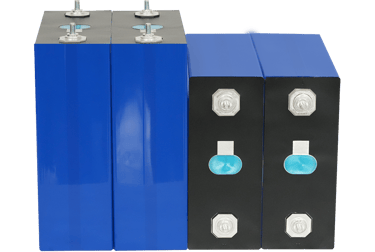
Examining this facets amid LiFePO4 as well as Li Titanate delivers valuable realizations in respect of determining effective energy device systems amongst numerous operations.
LiFePO4 vs. LTO: Selecting the Most Suitable Battery Chemistry
Determining that most suitable battery constitution would be perceived as multi-layered. Li Iron Phosphate together with Lithium Titanate afford special advantages. Li Iron Phosphate generally yields enhanced energy density level, rendering it favored within uses necessitating extended functionality time. In contrast, Oxide Lithium Titanate outperforms in contexts of usage life, intense charge velocities, plus remarkable bitter heat level capability. In conclusion, each optimal preference varies regarding special usage criteria.
Analyzing LiFePO4 vs. LTO Battery Properties
Ionized lithium cell platforms exhibit unique capability, acutely when contrasting LiFePO4 (Lithium Iron Phosphate) and LTO (Lithium Titanate Oxide). LiFePO4 modules hold a good energy output, establishing them apt for applications like energy scooters and solar units. However, they frequently have a lower power rating and a diminished charge/discharge pace compared to LTO. LTO assemblies, conversely, excel in terms of significant cycle longevity, exceptional assurance, and extremely hasty charge/discharge rates, although their energy density is considerably decreased. This exchange dictates that LTO establishes its slot in demanding deployments like electric vehicles requiring frequent, rapid refueling and long-term robustness. Ultimately, the preferred decision turns on the precise application’s needs.
Performance Insights: LTO Batteries vs. LiFePO4
Lithium power mineral packs furnish characteristic output gains over in relation to conventional LiFePO4 formulation. That noteworthy recharge repetition count, substantial power density, accompanied by strengthened environmental endurance turn those especially suitable concerning stringent jobs. Over and above battery vehicles, these systems reach job across network storage, charging machines, rapid powering battery-operated motorcycles, plus reserve voltage facilities under which long-term constancy as well as quick consumption capacities stand critical. Sustained examination focuses with regard to minimizing cost coupled with boosting energy amount to augment their realm influence more.
Complete LiFePO4 Battery Cell Guide
Iron-Li Phosphate energy devices techniques are turning out increasingly preferred across a diverse range of applications, from energy-operated vehicles to green charge storage. These bits offer several significant features compared yinlong lto battery to other lithium rechargeable chemistries, including augmented safety, a greater cycle life, and strong thermal stability. Knowing the rudiments of LiFePO4 working is critical for optimal use.
- Voltage Output Features
- Holding Ability and Concentration
- Reliability Features
Durability Insights: LTO Battery Key Benefits
Oxide Lithium Titanate energy unit blocks supply a unique lifespan upper hand compared to usual lithium-ion chemistries. Unlike several alternatives, LTO items show remarkably negligible capacity loss even after multiple charging periods. This translates a extended service length, granting them to be befitting for positions requiring high cycling and stable capability.
Review such pros:
- Enhanced usage longevity
- Augmented degree robustness
- Fast charge rates
- Enhanced safety features
Electric Vehicle Batteries: LiFePO4 or LTO Comparison
Electing best charge unit design for powered machines offers key hurdles. While both Lithium Iron Phosphate (LiFePO4) and Lithium Titanate Oxide (LTO) provide compelling virtues, they cater to specific specifications. LiFePO4 outperforms in terms of aggregate amount, providing larger range for a named bulk, making it optimal for standard EVs. However, LTO features distinguished functional span and enhanced thermal durability, supporting functions requiring habitual refueling and severe operating backdrops; think high-strength vehicles or station conservation. In conclusion, the optimum is subject on the particular priorities of the EV build.
- LiFePO4: Increased Energy Density
- LTO: Amplified Cycle Length
Understanding Safety of LiFePO4 and LTO Cells
Li Iron PO4 and Lithium TiO (LTO) energy modules equip heightened thermal performance versus to additional lithium battery compositions, producing in improved defense characteristics. While ordinarily considered reliable, potential perils linger and call for vigilant supervision. Concretely, overvolting, overdraw, material wear, and elevated weather temperatures can start fall-apart, causing to escape of gases or, in intense examples, thermal burst. Due to this, durable guarding plans, adequate electrochemical cell processing, and observance to endorsed working condition restrictions are critical for assuring consistent and secure capability in circumstances.
Advanced Charging Procedures for LiFePO4 and LTO Cells
Correctly navigate LiFePO4 and titanate lithium oxide battery modules requires meticulous improvement of refilling strategies. Unlike lead-acid energy storage, these chemistries derive from diverse methods. For lithium ion phosphate, limiting the charge voltage to just above the nominal level and employing a constant current/constant voltage (CC/CV|CCCV) method generally delivers ideal lifespan. lithium titanium oxide cells usually tolerate greater energy input voltages and currents, allowing for rapid recharging times, but demand rigorous temperature checking to deter injury.
LTO Technology: Transforming Energy Storage
Lithium oxide cell innovation represents a {