Opening
Mechanized pipeline swabbing processes grant a considerable advantage over hand-driven practices for sustaining the health of tubes. These cutting-edge methods automate the routine of pushing a "pig" – a customized device – through the tube to dislodge deposits like debris, erosion, and impediments. By lowering downtime and strengthening running performance, automatic pigging mechanisms symbolize a crucial investment for trade relying on pipe transportation of media.
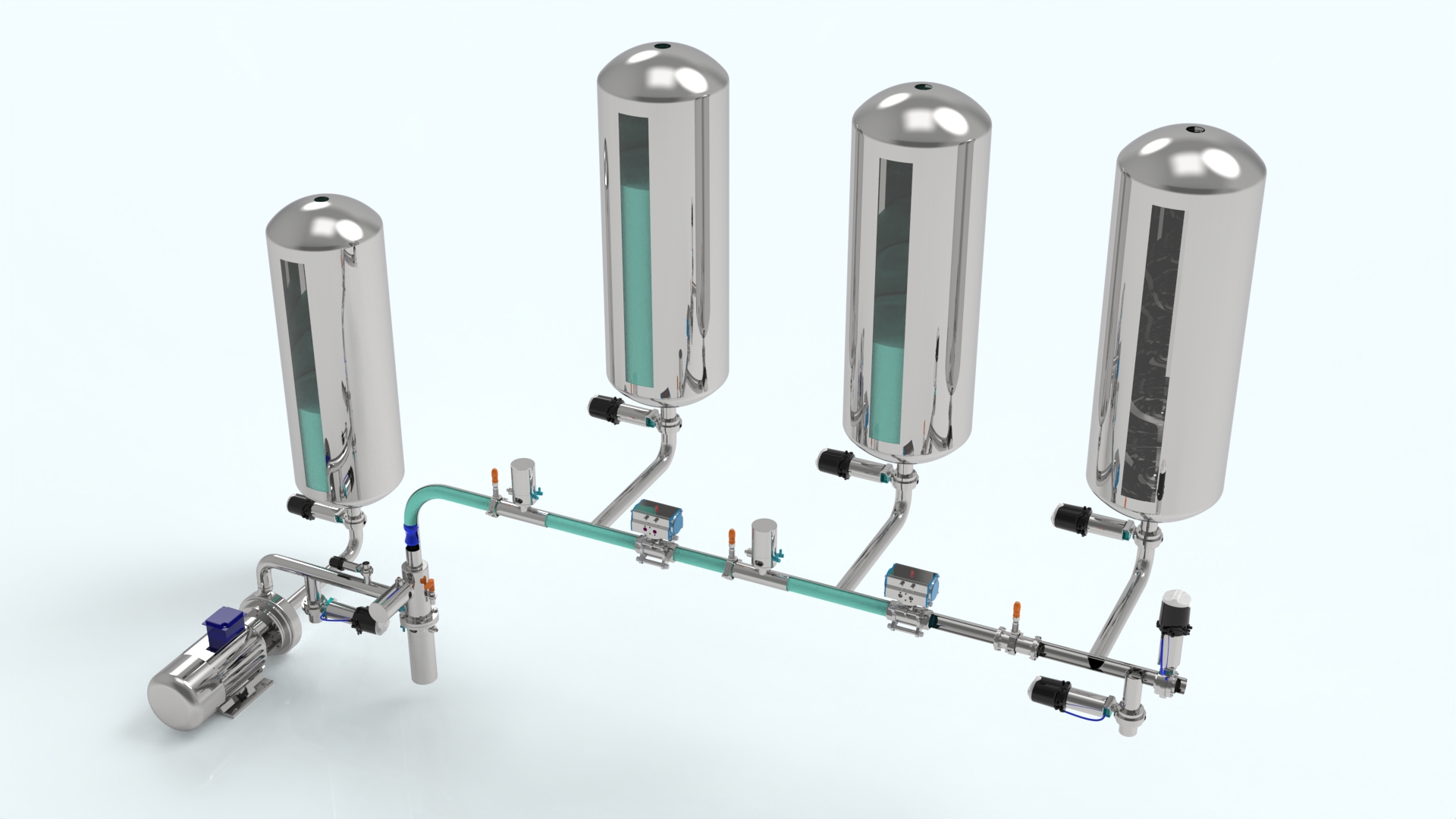
Sanitized Pigging : Affirming Pipe Neatness in Beverage Business
Sustaining impeccable freshness within culinary production facilities is crucial, particularly when it comes to pipelines used for delivering liquids. Sanitary pigging offers a strong solution. This specialized technique involves inserting a implement – often a compressible device – into the line to scrape off residue, including pathogens, and restore holistic freshness. Benefits include decreased exposure of spoilage, boosted good safety, and strengthened operational performance. Parameters for implementation include tool structure compatibility with the product and conduit structure.
- Diminishes infection hazard.
- Refines product standard.
- Heightens capability output.
Flow Techniques: Enhancing Performance and Cutting Excess
Flow solutions offer a meaningful gain in pipe activity for various domains, particularly within the crude and fabrication sectors. By sending a “pig,” a engineered apparatus, through the system, contaminants are cleaned out, recovering output and reducing product wastage. This leads to a reduced outlay and a more green policy to material governance.
Certain Future On Pipelines: Evaluating Smart Pigging Technology
The advancement of pipeline handling is dramatically being impacted by intelligent pigging tools. Traditionally, pigging routines have trusted on non-automated intervention, but the arrival concerning autonomous pigs promises heightened efficiency, minimized downtime, and superior safety. These advanced systems utilize probes, figures, and automated intelligence to scan pipelines autonomously, locating corrosion and delivering washing tasks with extraordinary precision. Anticipating widespread implementation, automatic pigging represents a critical step heading to a more eco-friendly pipeline infrastructure globally.
Sanitary Clearing vs. Physical Sanitation
Preserving tube condition within the dairy industry presents a significant challenge. Historically, traditional sanitizing has been the traditional method, relying on technicians to manually eliminate debris and dirt. However, this approach is exhaustive, susceptible to inconsistencies, and can be tough to fully validate. Sterile swabbing, on the other hand, offers a new alternative. This approach utilizes a device propelled through the duct to dislodge deposits, providing a better and reliable scrubbing process. Key variations include:
- Expense: Conventional washing often involves large labor charges, while clearing has starting investment scaled-down overall fees.
- Capacity: Flushing often offers better functionality compared to operator-driven practices.
- Assurance: Verifying the extent of purification is simpler with scrubbing due to record-keeping capabilities.
- Protection: Human scrubbing can expose laborers to uncertain conditions, whereas cleaning diminishes this risk.
Establishing an Electromechanical Pigging Process: Recommended Procedures
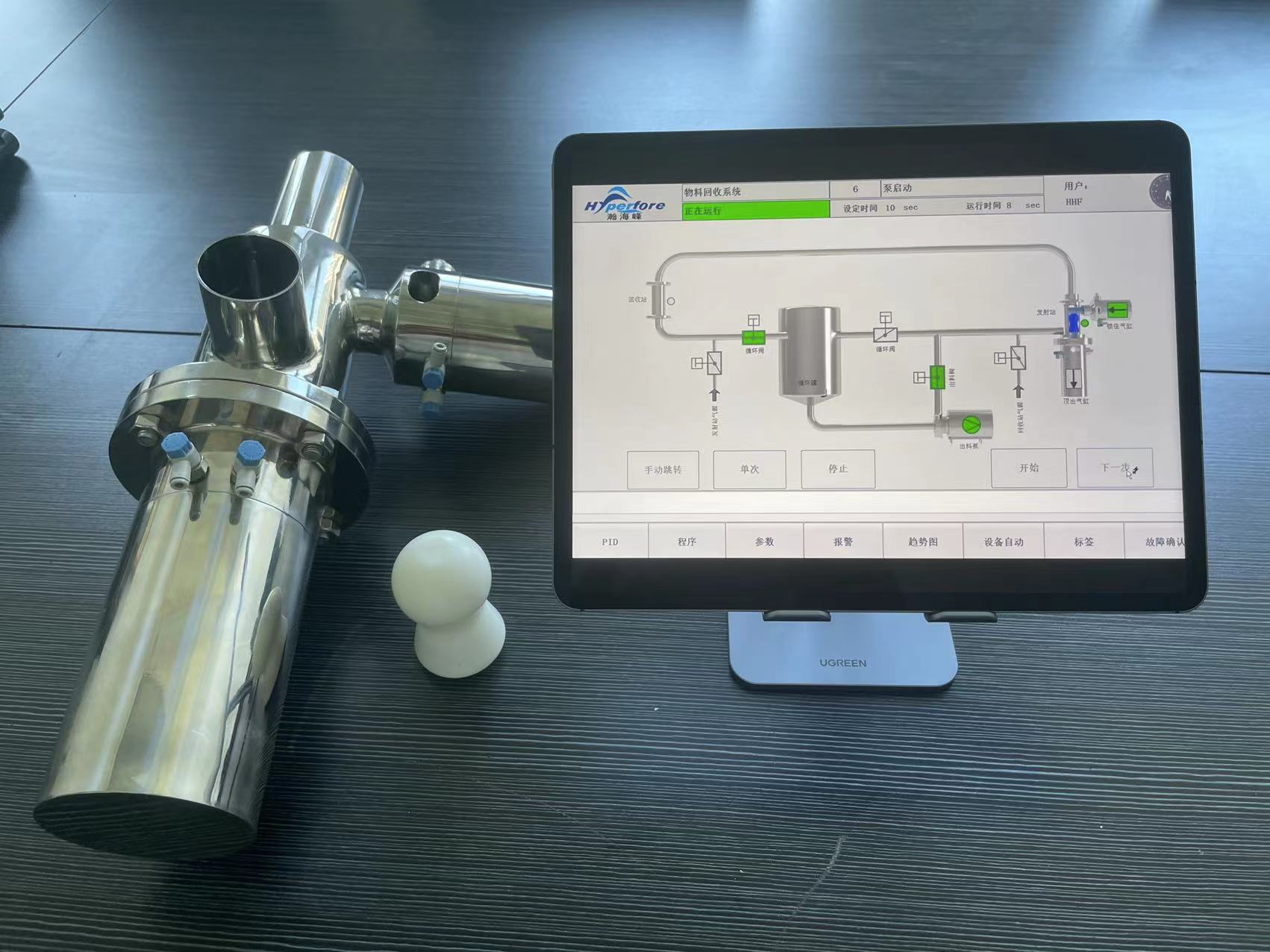
Correctly integrating an mechanized pigging platform requires careful organization and adherence to established best standards. First, execute a complete evaluation of your line to discover the definitive obstacles requiring cleaning. This involves assessing the form of contaminant, the location of restrictions, and the current shape of the hardware. Subsequently, go with a pigging system suited for your distinctive operational necessities.
Besides, stress full mentoring for operators dedicated in the execution procedure. This must include guidance on cautious use of the equipment and knowledge of urgent plans.
- Commonly assess the apparatus and affiliated units for dilapidation.
- Formulate a solid care timetable.
- Log all purging cycles and pertinent information.
- Evaluate the impact on pipework velocity and good caliber.
Ultimately, regular surveillance and refinement of the pigging project are mandatory for improving productivity and improving the line’s useful lifespan.
Handling Ordinary Complications in Hygienic Maintenance Mechanisms
Proven performance of sanitary pigging systems often entails preemptive problem-solving. Consistently, impediments because of material accumulation are recognized, which is able to be corrected through painstaking inspection by means of appropriate equipment. Also, reduced throughput point to malfunctioning seal mechanisms or conduit breaking down. Routine maintenance, including apparatus replacement and scrutinizing review of pipework quality, is essential to mitigate interruptions and support maximal functionality.
Intelligent Rinsing Processes for Technical Lines
Self-operating cleaning offers substantial pros for industrial channels, significantly enhancing operational output. The solution provides a assortment of upsides, including reduced stoppages, minimized maintenance outlays, and improved good consistency.
- Diminished flow loss leading to effort savings.
- Enhanced pipe strength, avoiding wear.
- Improved yield by clearing deposits.
- Elevated risk mitigation for workers and the setting.
Financial Impact with Spotless and Automatic Cleaning Technologies
Implementing pristine automatic pigging system and machine-driven pigging processes offers substantial budgetary relief for duct operators. These progressive technologies minimize product loss due to cling-on, significantly minimizing excess. Beyond output recovery, clearing solutions reduce the frequency of planned conduit shutdowns for cleaning, translating to greater facility availability. Furthermore, the diminished need for physical work and reagent deployment further advances the overall cost-effectiveness of your process.
- Reduced Material Loss
- Higher Operational Efficiency
- Lowered Manpower Expenses