Launchingporous sediment is a highly effective purifying compound commonly harnessed in various applications, particularly during drink preparation. Originating from the fossilized remains of ancient diatoms, it displays a unique spongy diatomite filter aid composition that provides superior filtration. The filter aid works by creating a light porous film on a pressure filter, holding microscopic matter while providing fluid permeability. Deciding upon the proper grade of diatomite filter aid is critical for optimal performance.
Harnessing Diatomaceous Residue for Clarification
Permeable substance, composed of the fossilized remains of microscopic algae called diatoms, presents a uncommon method for separating various compounds. Its structure, a porous network of silica shells, provides an incredibly ample surface area. This grants for highly powerful removal of contaminants from solutions. Applications range from moisture refinement and drink creation to pool refining and even agrarian techniques. Advantages include its biosourced origin, financial prudence compared to various synthetic alternatives, and its ability to profoundly seize a broad set of foreign bodies.
- Delivers superior substance removal.
- Serves as a environmentally sound choice.
- Relevant for several sectors.
Treated Bleaching Substance: Properties and Purposes
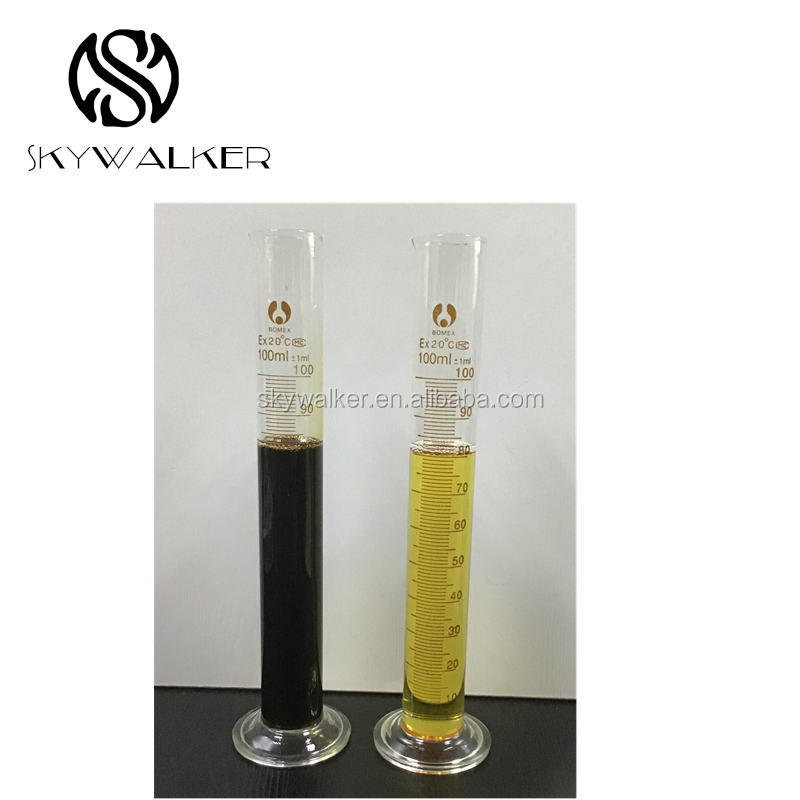
Processed bleaching matrix is a variety of virgin kaolinite that has undergone specific refinement to increase its binding powers. This practice typically involves enzymatic conversion, resulting in a highly porous design with a broad space. Consequently, it exhibits unparalleled fitness to extract discolorations from a varied series of media, finding fundamental uses in the clearance of fats, fatty matter, and other biomass-derived elements. Alongside, its safe attribute and affordability contribute to its surging traction in various fields.
Evaluating Diatomite and Alternative Filtration Media
Finding the correct filtering medium for a specific process can be complicated. While perlite and other options exist, diatomite commonly presents a potent case for its superiority. Versus these opponents, diatomite habitually offers better transparency and a superior velocity of eliminating solids. However, this optimal choice ultimately is contingent on determinants such as outlay, usage requirements, and anticipated yield level.
Understanding The Mechanism of Diatomite Filtration
Diatomite powder sometimes referred to as microalgal sediment filtration separating leverages the unique exclusive structure of highlighted microscopic negligible algae entities. These specified diatoms, upon at the point of death, form or create a sedimentary or mineral rock or material composed or built of intricately or highly porous or structured silica or glass shells. This or the porous or structured network or filter provides an incredibly or exceptionally large expanse for holding particulate dimensionless matter pollutants from between liquids moist environments, achieving producing highly robust exact filtration screening.
Augmenting Decolorization Potential of Enhanced Substances
Maximizing an decolorizing method with upgraded earth presents a advantageous option for enhancing efficiency. This renewable material, gathered from mud, possesses significant combined attributes that make possible for it to efficiently remove dyed contaminants from fabrics, thereby cutting consumption of harsh synthetic bleaching agents and increasing a eco-friendly outcome.
Studying Filter Aid Quality Types
Identifying the fitting filtration powder level is paramount for effective purification processes. Filtration powder grades are distinguished by their grain size, ordinarily expressed in size units. Narrower grades, like FF or Filter-X, offer superb lucidity and are best for vulnerable liquids, while higher grades, such as Perlite or Celite 500, afford a improved passage flow for easier employments. Understanding these distinctions will empower you to maximize your refining results and cut down burdens linked with the strategy.
Responsible Sourcing of Microfossil Earth
The growing demand for siliceous sediment earth necessitates a commitment on responsible sourcing approaches. Traditional recovery often entails significant biological disturbance and can undermine surrounding ecosystems. Currently speaking, forward-thinking businesses are investigating alternatives, such as reclamation of formerly harvested sites, ensuring minimal disruption and preserving organismic habitats. Furthermore, monitoring in the distribution is growing crucial, allowing customers to adopt informed choices and back environmentally sustainable actions. To that end, responsible oversight of microfossil earth earth reserves is vital for ongoing availability and minimal environmental ramifications.
- Minimized land damage.
- Revitalization of procurement sites.
- Advanced transparency in the distribution.
Treated Lightening Soil: A Experimental Insight
Assessing a theoretical lens, improved clearing earth represents a unique class of aluminosilicate minerals. Primarily, montmorillonite earth is physically modified via processing – typically involving organic solvent processing – to dramatically increase its adsorptive properties. This activation creates a huge spread with a significant number of catalytic areas, facilitating the capture of tinted contaminants from fluids. The action mainly involves electrostatic linkages and dispersion phenomena, causing a brighter substance.