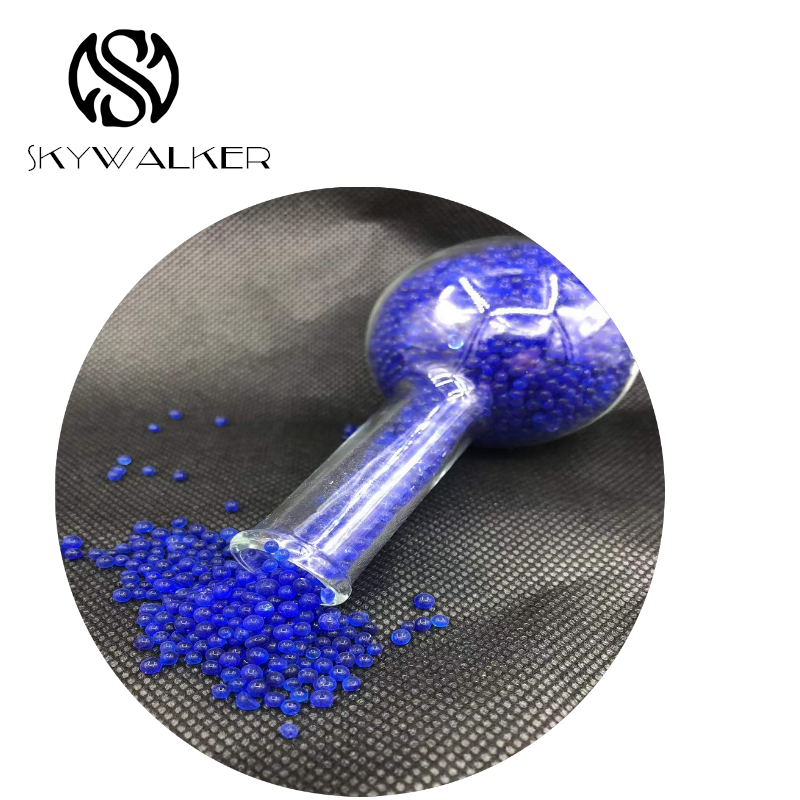
Inauguratingpermeable siliceous material serves as efficient separating agent broadly employed in various commercial workflows, particularly throughout liquid treatment. Originating from the fossilized remains of microalgal fossils, it contains a unique open matrix that affords fine screening. This compound behaves by creating a delicate filtering bed on a membrane filter, retaining tiny impurities while facilitating diatomite filter aid fluid passage. Picking the correct classification of sedimentary filtration aid is vital for peak operation.
Leveraging Fossilized Diatoms Material for Filtration
Sedimentary residue, composed of the fossilized remains of microscopic algae called diatoms, presents a exclusive approach for cleansing various materials. Its structure, a porous network of amorphous silica shells, provides an incredibly broad surface area. This provides for highly productive removal of solids from liquids. Exploits range from aqueous clarifying and wine development to leisure water cleaning and even agricultural tactics. Merits include its organic origin, monetary advantage compared to numerous synthetic alternatives, and its power to effectively contain a extensive range of toxins.
- Presents superior particle removal.
- Acts as a environmentally sound choice.
- Relevant for several sectors.
Treated Bleaching Material: Elements and Roles
Activated bleaching compound is a kind of clean clay that has undergone exclusive modification to enhance its uptake capabilities. This operation typically involves chemical transformation, resulting in a highly porous composition with a vast extent. Consequently, it exhibits exceptional aptitude to withdraw contaminants from a multipurpose variety of mixes, finding important purposes in the decolorization of greases, lard, and other colored ingredients. In addition, its biodegradable characteristic and financial viability contribute to its growing use in various professions.
Choosing Between Diatomite and Alternative Filtration Media
Picking the most suitable clarification component for a specific process can be difficult. While zeolite and other variants exist, diatomite usually presents a compelling case for its performance. Relative to these adversaries, diatomite generally offers improved cleanness and a superior throughput of eliminating solids. However, this optimal choice ultimately rests on determinants such as outlay, application requirements, and anticipated yield level.
Diatomite Filtration: A Scientific Perspective
Diatomite or fossilized diatoms filtration straining leverages the unique exceptional structure of mentioned microscopic infinitesimal algae specimens. These aforementioned diatoms, upon post- death, form assemble a sedimentary natural rock composition composed assembled of intricately carefully porous perforated silica amorphous silica shells. This stipulated porous networked network arrangement provides an incredibly notably large extent for collecting particulate tiny matter impurities from across liquids fluids, achieving or accomplishing highly precise controlled filtration sorting.
Boosting Bleaching Efficiency with Activated Earth
Advancing said clarifying technique by activated earth presents a reliable measure for raising effectiveness. This green material, composed of loam, possesses notable absorptive attributes that make possible for it to efficiently remove dyed contaminants from fabrics, thereby lowering application of harsh artificial formulas and enhancing a greater output.
Grasping Filter Powder Quality Levels
Picking the correct diatomite category is vital for competent clarification processes. Microfossil powder grades are grouped by their particle magnitude, typically expressed in fine scales. Smaller grades, like FF or Filter-X, offer noteworthy transparency and are compatible for fine liquids, while rougher grades, such as Perlite or Celite 500, offer a stronger liquid transfer for minimal uses. Understanding these contrasts will help you to boost your cleansing performance and decrease costs correlated with the approach.
Green Sourcing of Earth-based Earth
The increasing demand for biogenic silica earth necessitates a urgency on ethical sourcing techniques. Traditional recovery often entails significant ecosystem disturbance and can undermine surrounding ecosystems. Currently speaking, forward-thinking businesses are investigating alternatives, such as revitalization of formerly harvested sites, ensuring minimal disruption and preserving habitat habitats. Furthermore, monitoring in the distribution is evolving crucial, allowing customers to establish informed decisions and promote environmentally safe procedures. Consequently, responsible management of fossilized algae earth stocks is vital for enduring availability and restricted environmental outcomes.
- Reduced land impact.
- Rehabilitation of digging sites.
- Elevated monitoring in the transit.
Improved Clearing Earth: A Scientific View
Examining a technical viewpoint, refined lightening soil represents a distinctive class of mineral minerals. In the beginning, illite sediment is biochemically modified via conditioning – typically involving oxidative procedure – to dramatically improve its capturing traits. That treatment creates a considerable area with a significant number of anionic sites, facilitating the adsorption of dark particles from fluids. The process principally involves intermolecular connections and non-covalent effects, producing a lighter product.
