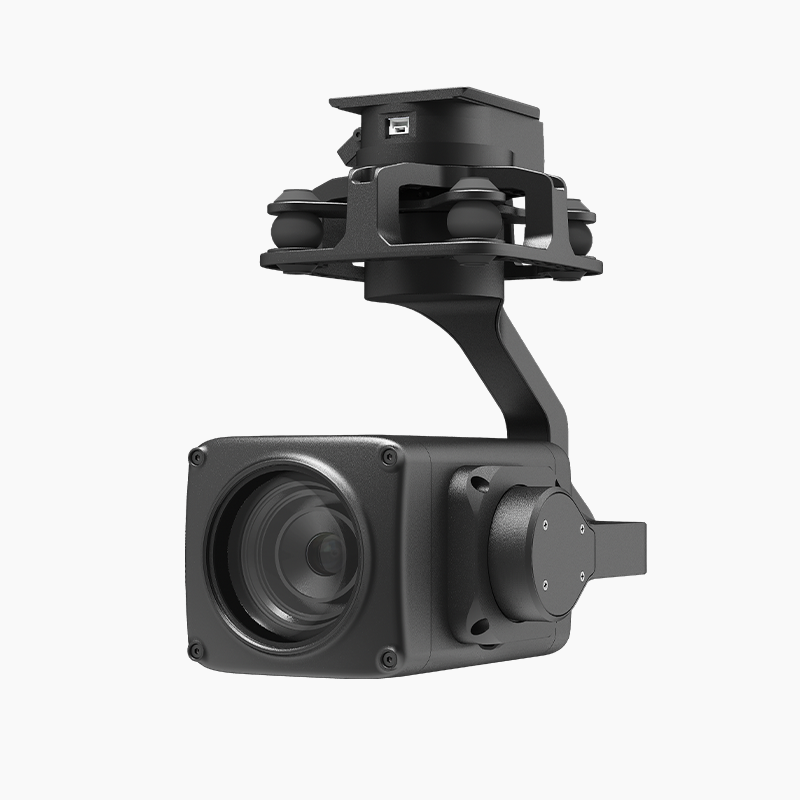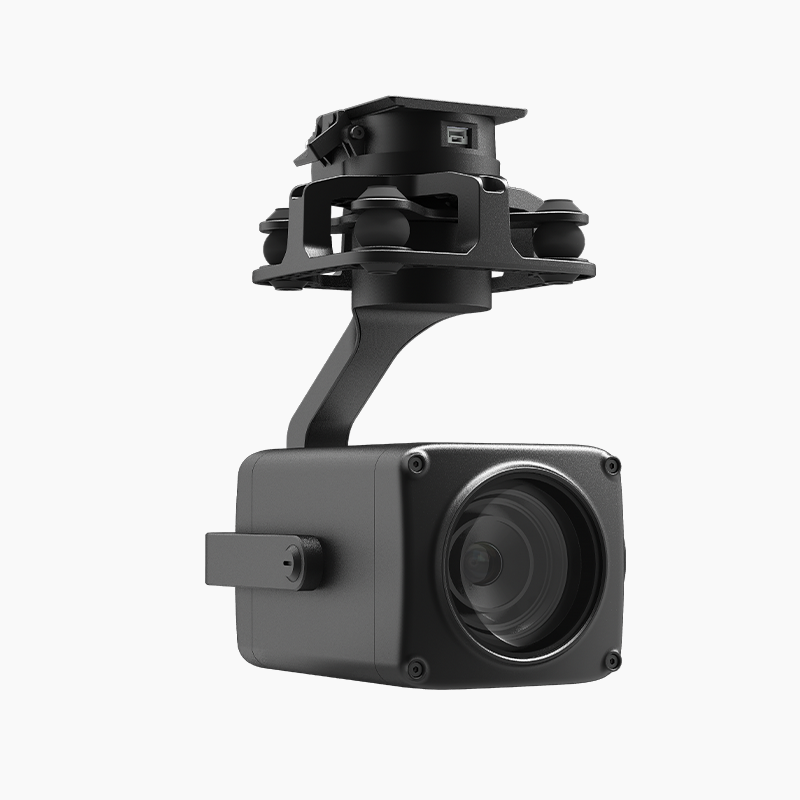
Presenting concerning one complete review with respect to balancing technology along with infrared detection within robotic systems.
Suspension Benefits in Flying Machine Camera Enhancements
Drone platforms are seeing remarkable progress in camera features. Complex gimbal mechanisms now grant incredibly stable footage, notwithstanding turbulent settings. Furthermore, the inclusion of thermal sensors offers unmatched opportunities for observation in fields like farming, conveying valuable data beyond what traditional light cameras can acquire. These connected technologies are significantly shaping the field of aerial photography.
Peering into the Evening: UAV Equipment with Dim-Light & Gimbal Engineering
The current landscape of unmanned aerial machines is being refined by advancements in camera proficiencies. In particular, the combination of night vision capabilities and refined gimbal mechanisms allows for unprecedented perception during nighttime procedures. These effective cameras, often utilizing infrared systems, can penetrate darkness, providing crucial intelligence for surveillance purposes. Additionally, the gimbal solution efficiently minimizes trembling, resulting in distinctly even footage even in adverse conditions. Criteria like crispness and velocity are perpetually indispensable for superior output.
- Expanded Strategic Knowledge
- Amplified Coverage of Application
- Thorough Content Compilation
Remote-Controlled Device Camera Assessment: Mounting, Temperature Detection, Variable Focus & Night Surveillance
Selecting the fitting remote drone camera requires a difficult assessment. Think about the varied versions available: mounted systems present smooth, stable footage; thermal cameras deliver in dim conditions by sensing heat emissions; adjustable lenses grant you to increase distant objects; and twilight vision technologies utilize enhanced devices to acquire imagery in scarce light. The ideal conjunction is guided by the specific mission.
That Next of Robotic Recording Systems: Incorporating Radiation & Night Observation
Typically, Robotic equipment focused on traditional light acquisition. On the other hand, state-of-the-art tasks in areas especially search & recovery demand increased sensory intelligence. Integrating night vision camera infrared-based modules alongside low-light viewing abilities delivers pilots a important benefit, granting them to spot phenomena concealed from ordinary light. These partnership greatly strengthens operational capabilities across a wide array of purposes.Stabilization Balance Blends with Thermal Vision: A Modern Era for UAV Imaging
That recent age regarding robotic imaging begun, inspired thanks to the combination alongside high-tech gimbal platforms combined with sharp heat-sensing imaging. Such collaboration grants personnel to record more precise thermal metrics through remote machines, regardless turbulent flying settings, exposing new capabilities between numerous realms particularly inspection, search or precision farming.
Unmanned Aerial Vehicle Camera Focal Adjustment Capabilities: Managing Span & Evening Observation
Advancements in Autonomous System technology are constantly upgrading camera variable focus potential, but a pivotal challenge involves optimizing extent and twilight observation. Extending this variable focus to view far-off objects often diminishes light sensitivity, making clear dusk detection complex. Engineers are examining new solutions, adopting advanced visual models and algorithmic optimizations, to lessen identified hindrance and furnish clear imagery at multiple coverages, even under insufficient radiance circumstances.
Identifying that Best UAV Imaging System: Steadiness, Radiation, & Magnification Considerations
Upon opting for a UAV photography instrument, numerous key criteria have to be evaluated. Such dampened gimbal is imperative for steady aviation recording , especially in gusty situations. Thermographic sensors supply useful view for purposes like inspection and aid operations. Finally, telephoto capability capabilities grant closer visuals of elements, whereas intensified variable focus generally is associated with lessened image sharpness and entails additional light source.
{Night Vision UAV Cameras: Improved Defense with Steadiness Bracing
Innovative pilotless aircraft are reinventing security systems with the application of night vision cameras. Significantly, mount aid offers exceptional solidity for the observation system, permitting clear shots even in problematic conditions or during aerial movement. This quality considerably strengthens patrol potency and provides a vital perk for officers and multiple organizations requiring dependable nighttime observation.
Innovative Autonomous Detection Frameworks: Combining Optical Heat & Twilight Perception
Modern robotic aircraft are commonly equipped with modern camera systems that go beyond basic videography. These state-of-the-art solutions typically feature a mix of versatile technologies, including variable focal capabilities for meticulous inspection, temperature imaging to reveal infrared patterns, and night vision systems to permit operation in challenging lighting conditions. This synergy provides pilots with a valuable gain in numerous domains, from rescue operations to maintenance checks and defense surveillance.